Source Portable Handheld Milk Frother for Home, Office, and Cafe
Explore 30 options for the portable handheld milk frother, featuring variable froth settings, rechargeable batteries, and quiet operation. Compare stainless steel models with ergonomic handles and detachable bases to find the right electric mixer for coffee preparation; compare the available evidence and request quotations based on your requirements.
Key considerations
Products List





Comprehensive Sourcing Guide
Portable Handheld Milk Frother Sourcing Guide
The portable handheld milk frother market presents a diverse array of electric mixing tools designed for home kitchens, hotels, and coffee shops. Buyers must distinguish between basic frothing units and advanced models featuring variable froth settings, heating functions, and multiple whisk options. The observed product range includes devices with rechargeable batteries and USB charging capabilities, alongside models requiring standard 220V electric power sources. Understanding these distinct power architectures is the first critical step in aligning procurement with specific operational needs and infrastructure constraints.
Sourcing decisions should prioritize the intended application environment, as the observed listings cater to both casual home users and professional coffee shop operators. Some units are explicitly marketed for their quiet function and lightweight ergonomic handles, which are essential for travel or office settings where noise and portability are paramount. Conversely, other models emphasize high-volume capacity with detachable bases and compact designs suitable for commercial back-of-house operations. Buyers must carefully map these feature sets to their specific workflow requirements before engaging with suppliers.
Product Scope and Observed Listing Signals
The current market listings reveal a wide spectrum of product specifications, ranging from simple single-item units to complex systems with multiple modes like frothing, heating, and stirring. Observed data indicates that some frothers operate on a 4W power rating with a 1200mA battery capacity, while others rely on direct electric power sources. This variance suggests that buyers cannot assume a single power standard applies to all portable frothers; instead, they must verify the specific voltage and power requirements for each model to ensure compatibility with their local electrical grid.
Packaging and customization options also vary significantly across the observed product pool, influencing both logistics and branding strategies. While some units arrive in standard cartons with a single gross weight of 0.1kg, others are packaged in color boxes or kraft gift sets with customized logo printing capabilities. The observed MOQ ranges from single items to 2000 units, allowing flexibility for both sample testing and bulk procurement. Buyers should evaluate whether the supplier offers standardized packaging or fully customized solutions to match their brand identity and shipping efficiency goals.
Technical Specifications to Verify
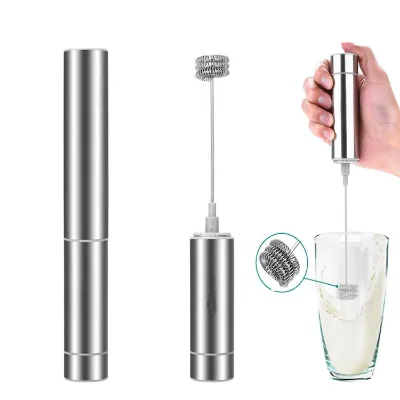
Buyers must rigorously verify the material composition and physical dimensions of the frother to ensure durability and fit for purpose. The supplied facts highlight stainless steel as a primary material, which offers corrosion resistance and ease of cleaning, but the specific weight and package size can differ drastically between models. For instance, some units have a net weight of 189g with a single package size of 4.5x4.5x23cm, while others may have different carton dimensions and weights. Confirming these exact metrics is essential for calculating shipping costs and ensuring the device fits within the intended storage or travel space.
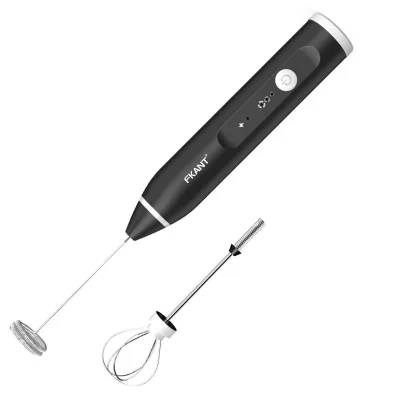
The functional capabilities of the device require detailed scrutiny, particularly regarding the timing device and special features. While some observed models explicitly lack a timing device, others boast advanced features like variable froth settings and rechargeable batteries. It is critical to confirm whether the device includes a detachable base or specific whisk options for different foam types, as these features directly impact the quality of the final beverage. Buyers should request technical datasheets that explicitly confirm the presence or absence of these specific functions to avoid mismatches between expectation and delivery.
Compliance and Safety Documentation
Safety compliance is a non-negotiable aspect of sourcing electric kitchen appliances, especially those with rechargeable batteries and heating elements. Although specific certification names are not listed in the provided facts, buyers must insist on documentation proving that the electrical components meet the safety standards of the destination market. This includes verifying that the 220V models and USB-charged units have undergone appropriate testing for electrical safety, thermal protection, and battery stability. Without this documentation, the risk of product failure or safety incidents increases significantly.
Documentation regarding the manufacturing origin and material safety is equally vital for maintaining brand integrity and consumer trust. The observed products originate from Jiangsu, China, and utilize stainless steel, but buyers should verify that the materials used are food-grade and free from harmful substances. Additionally, any claims regarding low noise or energy efficiency should be backed by test reports or performance data provided by the manufacturer. Ensuring that the supplier can provide comprehensive safety and material compliance certificates is a prerequisite for any serious procurement agreement.
Cost Drivers and Commercial Terms
The cost of portable handheld milk frothers is driven by a combination of material quality, feature complexity, and customization requirements. Models featuring variable froth settings, heating functions, and rechargeable batteries typically command higher prices than basic electric mixers. Furthermore, the inclusion of customized packaging, such as color boxes or gift sets, and the ability to print logos on the product or packaging add to the overall unit cost. Buyers must analyze the trade-off between these premium features and their budget constraints to determine the most cost-effective solution for their specific market segment.
Commercial terms, including MOQ and lead times, vary widely based on the level of customization and order volume. The observed MOQ ranges from 1 to 2000 units, offering flexibility for small businesses to test the market before committing to large orders. However, higher customization levels, such as OEM and ODM services, may require larger minimum order quantities and longer lead times. Buyers should negotiate clear terms regarding sample support, payment schedules, and delivery timelines to ensure a smooth procurement process that aligns with their inventory planning and cash flow requirements.
Supplier Qualification and Quality Control
Supplier qualification should focus on their ability to deliver consistent quality and adhere to the specific customization requests outlined in the product scope. The observed listings indicate that many suppliers offer OEM and ODM services, suggesting a capacity for tailored production. However, buyers must verify the supplier's track record in handling customized orders, including their ability to maintain consistent product standards across different batches. Requesting references or case studies from previous clients can provide valuable insights into the supplier's reliability and operational maturity.
Quality control protocols must be established to ensure that every unit meets the specified technical and aesthetic requirements. Given the variation in observed specifications, such as different battery capacities and package sizes, a robust inspection plan is essential. Buyers should implement pre-shipment inspections that verify the material composition, functional performance, and packaging accuracy. Additionally, establishing a clear communication channel for addressing any quality issues or deviations from the agreed-upon specifications will help mitigate risks and ensure customer satisfaction upon delivery.
Long-Term Procurement Checks
Sustaining a successful procurement relationship requires ongoing monitoring of supplier performance and product consistency over time. Buyers should regularly review the supplier's ability to meet delivery deadlines and maintain the quality standards established during the initial order. This includes tracking any changes in product specifications, such as material substitutions or feature modifications, that could impact the final product's performance. Proactive communication and regular audits help ensure that the supplier remains aligned with the buyer's evolving needs and market demands.
Long-term success also depends on the supplier's adaptability to market trends and technological advancements in the milk frother category. As consumer preferences shift towards more energy-efficient and feature-rich devices, suppliers must demonstrate their capacity to innovate and update their product lines accordingly. Buyers should encourage suppliers to stay informed about emerging standards and technologies, ensuring that the sourced products remain competitive and relevant. By fostering a collaborative relationship focused on continuous improvement, buyers can secure a reliable supply chain that supports their long-term business growth.
FAQs
Can this portable handheld milk frother be customized with a logo?
Yes, customized logos are acceptable for this electric milk frother. Buyers can request logo printing or customized packaging options to suit their brand identity. The product supports OEM and ODM services, allowing for tailored designs. This customization feature is ideal for businesses looking to create branded merchandise or private label products for their specific market needs.
What is the power source and voltage for this milk frother?
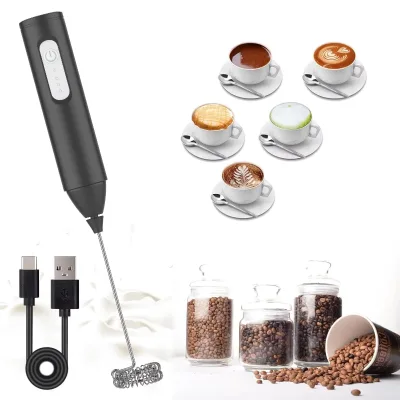
This portable handheld milk frother operates on a 220V electric power source. It features a rechargeable battery with a capacity of 1200mA, ensuring convenient usage without constant cord dependency. The device is designed for energy efficiency and safety, making it suitable for home kitchens, offices, and coffee shops. The USB charge capability adds to its portability and ease of use.
What materials are used to construct this handheld milk frother?
The handheld milk frother is constructed from high-quality stainless steel material. This durable construction ensures longevity and resistance to corrosion during regular use. The stainless steel components contribute to the device's lightweight and ergonomic design, providing a comfortable grip for users. The material choice also supports easy cleaning, maintaining hygiene standards for coffee and tea preparation tools.
What are the key features of this electric milk frother?
Key features include variable froth settings, a quiet function, and a lightweight ergonomic handle. The device offers multiple modes such as frothing, heating, and stirring for versatile use. It is designed with a detachable base and compact design for easy storage. The quick foam generation and easy-to-clean attributes make it a practical tool for both home and professional coffee environments.
What is the minimum order quantity for this milk frother?
The minimum order quantity for this milk frother ranges from 1 to 2000 units, depending on the supplier and customization requirements. Buyers can start with a single item sample to test quality before placing larger orders. The flexible MOQ allows small businesses and large enterprises to procure the product according to their specific volume needs and budget constraints.
Where is this portable milk frother manufactured?
This portable milk frother is manufactured in Jiangsu, China. The product originates from this region, which is known for its manufacturing capabilities in kitchen appliances. Buyers can expect consistent quality and competitive pricing from suppliers located in this area. The origin information is crucial for logistics planning and understanding the supply chain dynamics for international procurement.